Glenda Jackson: Life, Career, Oscars, Politics, Legacy of British Icon
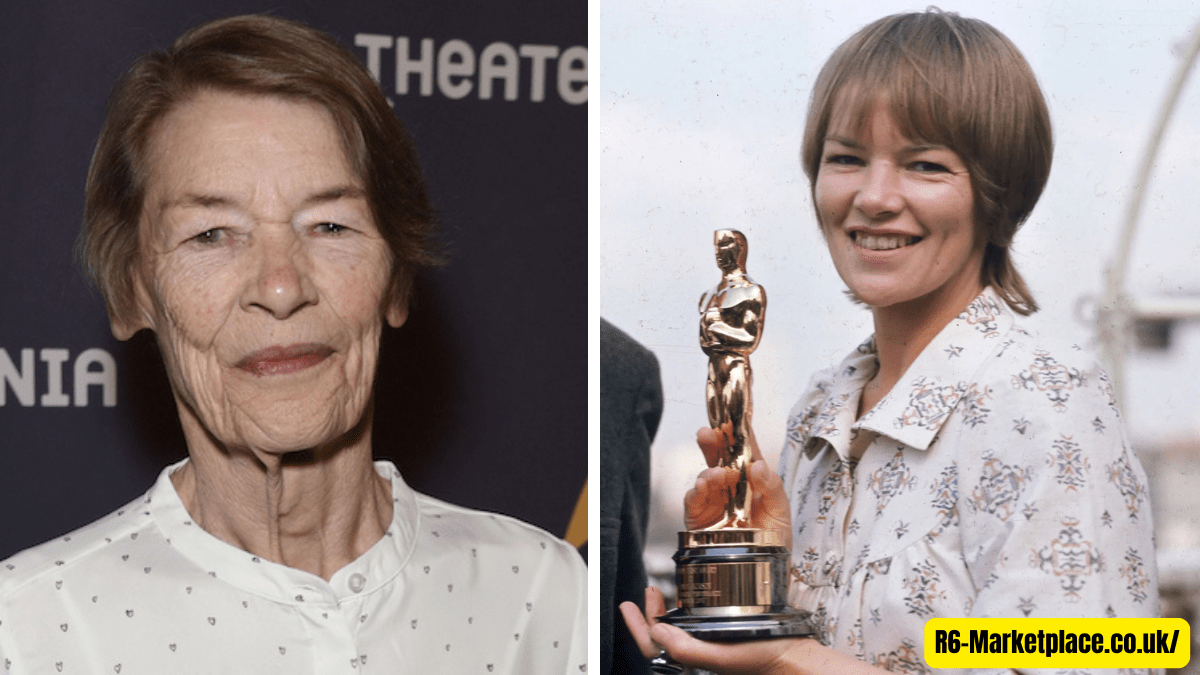
When you think of someone who bridged the worlds of film, theatre, and politics with uncommon grace, few names come to mind faster than Glenda Jackson. She wasn’t just an actress with Academy Awards on her shelf; she was a woman who challenged norms, moved audiences with raw performances, and then, astonishingly, shifted gears to serve as a Member of Parliament for over two decades. Her life is a fascinating journey of talent, courage, and conviction, and it’s one that continues to inspire those who value authenticity and dedication.
Early Life: From Birkenhead to the Stage
Glenda Jackson was born on May 9, 1936, in Birkenhead, a modest town in the northwest of England. Growing up during and after the war shaped her worldview—she witnessed resilience and the struggles of ordinary people firsthand. Her parents worked hard to provide a stable home, and those experiences later seemed to influence her choices both on stage and in Parliament.
As a child, Glenda Jackson was not immediately drawn to acting. She loved reading and often immersed herself in literature, which likely fueled her understanding of human emotion and narrative. Later, she studied at the Royal Academy of Dramatic Art (RADA), one of Britain’s premier acting schools, where her commitment and intense focus became apparent. Fellow students and teachers quickly recognized a rare combination of intellect and instinct in her performances.
Rise to Fame: Film and Theatre Breakthroughs
Jackson’s early career on stage was marked by dedication to challenging roles. She worked with the Royal Shakespeare Company, taking on classical roles that demanded both emotional depth and precision. Her approach was meticulous: she analyzed every word, every pause, every gesture, which became a hallmark of her performances.
In the late 1960s and early 1970s, she transitioned to film, and the results were nothing short of spectacular. Movies like Women in Love and Sunday Bloody Sunday showcased her ability to embody complex, often contradictory characters. Critics praised her intensity and the authenticity she brought to each role. For example, in A Touch of Class (1973), she brought a mix of charm and raw realism that made the romantic comedy feel grounded and real—a rare feat at the time.
Her accolades speak volumes. Glenda Jackson won two Academy Awards for Best Actress, among numerous other honors including Emmys and Tonys. Yet, despite such recognition, she remained grounded, often remarking in interviews that the work itself, not the awards, was what mattered most.
Acting Philosophy: The Craft Beyond Fame
What set Glenda Jackson apart wasn’t just talent; it was her philosophy toward acting. She saw it as a form of empathy. In her own words, she strived to “understand the character fully, as if stepping into their shoes for a moment.” This approach allowed her to portray a wide spectrum of emotions, from quiet introspection to explosive confrontation.
On stage, audiences often felt this intensity. Watching her perform in Shakespearean plays was said to be almost electrifying; she could command attention not through volume or spectacle but through nuance. For young actors today, her career serves as a reminder that diligence, curiosity, and emotional honesty are more important than fleeting trends.
From Screen to Politics: A Remarkable Shift
Many were surprised when Glenda Jackson retired from acting in the early 1990s to pursue politics, yet for her, the move felt natural. She became the Labour MP for Hampstead and Kilburn, serving from 1992 to 2015. Her transition wasn’t about seeking publicity but about public service—a theme consistent with her real-life values.
In Parliament, she was known for her sharp intellect and fearless questioning. Colleagues often described her as a “formidable presence” in debates, unafraid to challenge party lines when principles were at stake. Her speeches were precise and pointed, reflecting the same discipline she applied to her acting roles. Constituents admired her accessibility; despite her fame, she made time to meet ordinary citizens and understand their concerns.
Balancing Personal Life and Public Career
While many focus on her professional achievements, Glenda Jackson also lived a life full of personal challenges and triumphs. She was married to Roy Hodges from 1958 until 1976 and had a son, Daniel Pearce Jackson Hodges. Balancing motherhood with the demanding schedules of acting and later politics was not easy. Yet, those who knew her describe a woman deeply committed to her family, often finding small, meaningful ways to stay connected despite her public responsibilities.
She lived in Blackheath, London, where she could retreat from public scrutiny. Friends recall her as witty, candid, and surprisingly down-to-earth, qualities that endeared her to people across generations.
Later Career and Legacy
Even after leaving Parliament, Glenda Jackson occasionally returned to the screen and stage. One notable example is Elizabeth is Missing (2019), where she delivered a performance that reminded audiences why she was considered one of Britain’s greatest actresses. Critics noted her nuanced portrayal of memory loss and familial tension, demonstrating that her skills remained sharp even decades into her career.
Her legacy is multifaceted. As an actress, she remains a benchmark for emotional authenticity and intellectual rigor. As a politician, she exemplified integrity and commitment to public service. Few can claim excellence in two such demanding fields, and fewer still do so while maintaining personal humility.
Awards and Recognition
The accolades Glenda Jackson received are staggering. Two Academy Awards, three Emmys, a Tony Award, BAFTAs, Golden Globes—the list goes on. But what makes her awards remarkable is not the quantity but the diversity. She excelled in film, television, and stage, proving her adaptability and skill.
She was also recognized for her contributions to British culture and public life, reflecting a career that was both artistically and socially impactful. Her awards don’t just celebrate performances—they celebrate a lifetime dedicated to exploring humanity through art and action.
Public Perception and Influence
Glenda Jackson left a lasting mark on the public imagination. Young actors study her performances for their honesty, politicians study her speeches for their clarity, and ordinary people remember her for the respect she showed others. She became a symbol of intelligence, courage, and the ability to reinvent oneself without losing authenticity.
Her influence is particularly notable in inspiring women to pursue diverse paths. Few figures have so seamlessly demonstrated that a person can excel in creative fields while also serving their community in politics.
Glenda Jackson in Modern Memory
Today, Glenda Jackson is remembered not just for the roles she played but for the lives she touched. Film retrospectives, theatre festivals, and parliamentary tributes continue to honor her contributions. Scholars and biographers often highlight her rare combination of emotional depth, intellectual rigor, and moral clarity.
Her life story reminds us that true legacy is not measured only by awards or titles but by the example set for others. Whether through a single breathtaking scene or a decisive parliamentary speech, Glenda Jackson consistently exemplified commitment to craft and conscience.
FAQs About Glenda Jackson
1. What were Glenda Jackson’s most famous films?
Her most celebrated films include Women in Love, Sunday Bloody Sunday, A Touch of Class, and Elizabeth R. These roles demonstrated her range from intense drama to romantic nuance.
2. When did Glenda Jackson serve in Parliament?
She served as a Labour MP for Hampstead and Kilburn from 1992 to 2015, earning a reputation for intellect and principled debate.
3. Did Glenda Jackson return to acting after politics?
Yes, she occasionally returned to acting, with notable performances like Elizabeth is Missing (2019) showcasing her enduring talent.
4. What awards did Glenda Jackson win?
She received two Academy Awards, three Emmys, a Tony Award, BAFTAs, Golden Globes, and numerous other honors across film, television, and theatre.
5. What was Glenda Jackson’s approach to acting?
She believed in full empathy with her characters, studying their motives and emotions deeply, striving for authenticity rather than superficial performance.
Conclusion
Glenda Jackson’s life is an extraordinary blend of artistry and service. She proved that talent could coexist with principle, that fame need not compromise integrity, and that it’s possible to leave a lasting impact on multiple spheres of society. Her legacy is one of brilliance, courage, and humanity—a true British icon whose story will continue to inspire for generations.
You May Also Read